
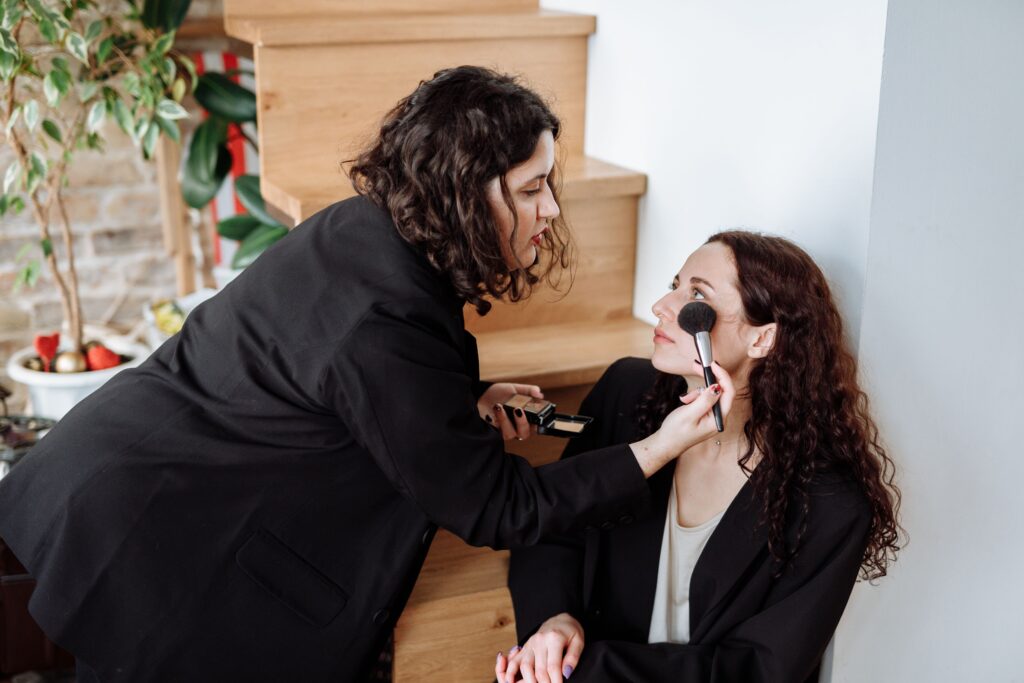
Makeup artistry is becoming a popular career for people who enjoy beauty, creativity, and working with clients. From bridal makeup and party makeup to freelance and home services, a professional makeup artist can build a flexible career with the right skills and experience.
If you are wondering how to become a professional makeup artist, here are the key steps to follow.
1.Learn Professional Makeup Skills
Start by learning the basics of makeup, including:
- Skin preparation
- Foundation and concealer
- Colour correction
- Contouring and highlighting
- Eye makeup
- Lip makeup
- False eyelashes
- Makeup setting
You should also understand different skin types, skin tones, undertones, and face shapes.
2. Take a Professional Makeup Artist Course
Joining a professional makeup artist course can help you learn techniques systematically and gain practical experience. Look for courses that include bridal makeup, party makeup, hairstyling, product knowledge, hygiene, and hands-on training.
A Makeup Artist Training certificate can support your profile, but your skills and portfolio are what help you attract clients.
3. Practice Regularly
Training alone is not enough. Practise on friends, family, models, or other people with different skin tones and face shapes.
Take photographs of your work and identify areas that need improvement. Regular practice helps you become more confident and efficient.
4. Build Your Makeup Kit
Start with essential products instead of buying everything at once. Your basic kit can include foundation, concealer, powder, blush, eyeshadow, lipstick, brushes, sponges, and hygiene supplies.
You can expand your Makeup kit as your experience and income increase.
5. Focus on Hygiene
Professional makeup requires proper hygiene. Keep your brushes and tools clean, sanitize your workspace, and use disposable applicators where appropriate.
A clean setup helps protect clients and builds professional trust.
6. Create a Makeup Portfolio
A strong makeup artist portfolio helps potential clients see your work. Include bridal, party, natural, traditional, and other makeup looks on different skin tones and face shapes.
You can promote your portfolio through Instagram, Facebook, a website, or other suitable platforms. Always obtain permission before posting client photographs.
7. Start Getting Clients
Your first clients can be friends, relatives, neighbors, or local customers. These assignments help you gain practical experience and build confidence.
Positive experiences can lead to reviews, referrals, and repeat bookings.
8. Choose Your Career Path
You can work as a:
- Freelance makeup artist
- Bridal makeup artist
- Salon makeup artist
- Home-service makeup artist
- Photo-shoot makeup artist
- Makeup trainer
Freelance artists can travel to clients’ homes, hotels, wedding venues, and events. With experience, you can also accept bookings from other cities or states.
9. Learn the Business Side
A successful makeup artist also needs basic business skills. Learn how to manage pricing, bookings, travel charges, expenses, payments, and client communication.
You should price your services based on your skill level, time, products, travel, and other business expenses.
10. Promote Your Makeup Business
Social media is an effective way to showcase makeup work. Share transformations, bridal looks, beauty tips, client reviews, and behind-the-scenes content.
Networking with photographers, wedding planners, bridal boutiques, hairstylists, and other beauty professionals can also generate referrals.
Makeup Artist Skills
A professional makeup artist needs a combination of technical and creative skills, including:
- Makeup application and blending
- Knowledge of skin types and tones
- Colour selection and matching
- Creativity and attention to detail
- Good client communication
- Time management
- Hygiene and sanitation
- Knowledge of current makeup trends
Developing these skills through professional training and regular practice can help you build confidence and a successful makeup artist career.
A Realistic Makeup Artist Career Journey
Many makeup artists start small.
For example, a person may complete a makeup artist course, begin working in a local beauty parlour, and gradually gain experience with different clients. Later, she may start offering bridal makeup, party makeup, hairstyling, and home services.
As satisfied clients recommend her work, she may receive bookings from nearby cities and eventually travel to other states.
This shows that you don’t need to open a large salon immediately. You can grow step by step:
Learn → Practise → Build a Portfolio → Get Clients → Build Trust → Get Referrals → Grow Your Business
Final Thoughts
Becoming a professional makeup artist takes time, practice, and dedication. A good course can give you the foundation, but real client experience helps you develop confidence and professionalism.
Start with the skills you can learn, build your portfolio, take small assignments, maintain excellent hygiene, and keep improving.
With consistent effort, a passion for beauty can become a successful makeup artist career—whether you work in a salon, run a beauty parlour, or build your own freelance makeup business.
Frequently Asked Questions
Is a makeup artist course necessary?
A course is not the only way to learn makeup, but professional training can provide structured learning, practical experience, and guidance.
How long does it take to become a professional makeup artist?
There is no fixed timeline. Learning the basics may take a few months, while becoming confident with real clients requires continued practice and experience.
Can I become a freelance makeup artist?
Yes. You can work independently and provide makeup services at homes, hotels, wedding venues, and events.
How can I get my first makeup clients?
Start with friends, family, and local clients. Build a portfolio, use social media, and develop relationships with photographers, salons, and wedding professionals.
Is makeup artistry a good career?
Yes, makeup artistry can be a rewarding career for people who enjoy beauty, creativity, client interaction, and continuous learning.